Fire Hydrant Standpipes: What They Are, Why They Matter & How They're Used
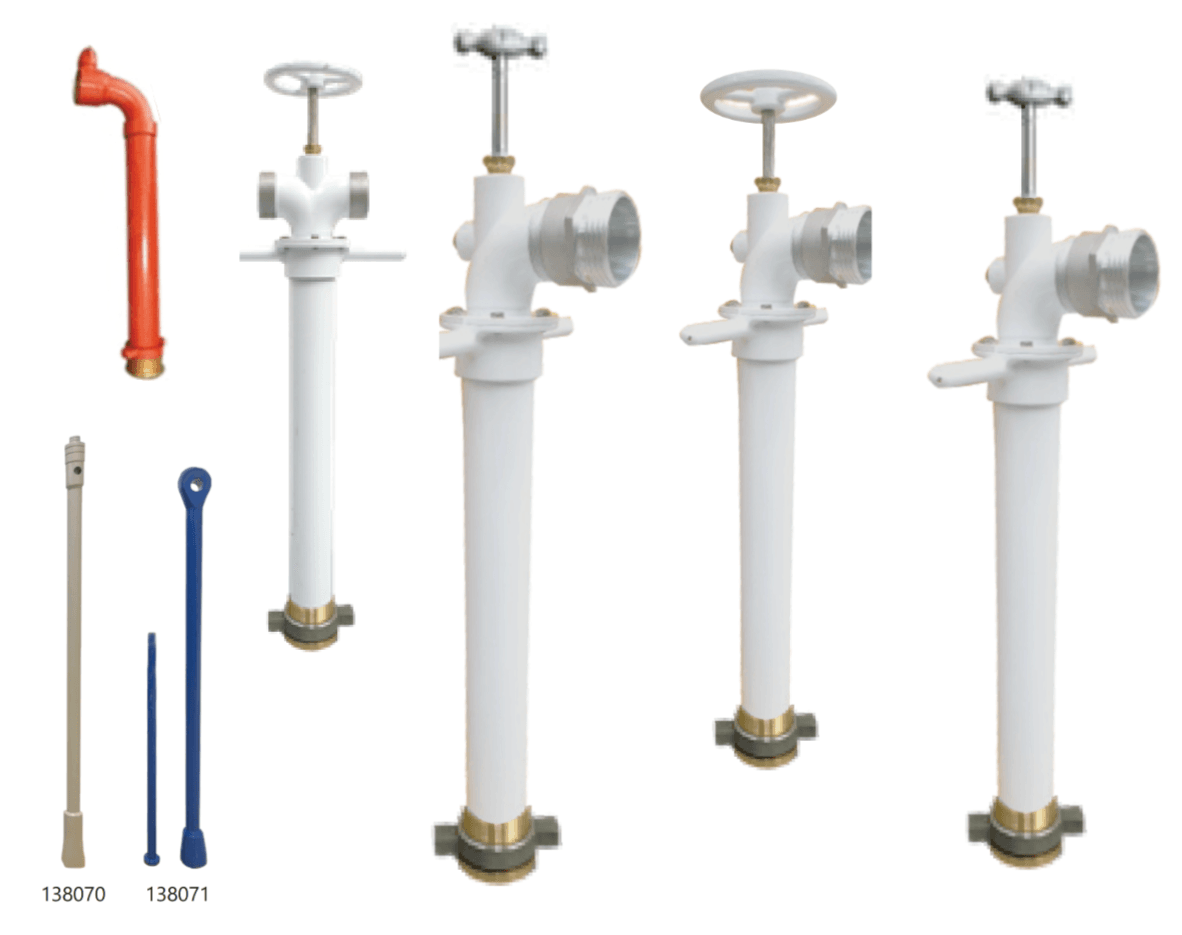
Fire hydrant standpipes are a critical part of Australia's firefighting infrastructure. Learn what they are, why they matter, and how they're used across construction sites, industrial facilities, and public infrastructure.
When a fire breaks out, every second counts. That's why reliable access to water is non-negotiable on any building site, commercial property, or industrial facility. Fire hydrant standpipes are a critical part of Australia's firefighting infrastructure, yet many property owners and site managers know surprisingly little about them.
What Is a Fire Hydrant Standpipe?
A fire hydrant standpipe is a temporary or permanent pipe assembly that connects to an underground fire hydrant to deliver water above ground during a fire emergency. Essentially, it acts as an extension — converting a below-ground hydrant outlet into a workable, above-ground water supply point that firefighters and emergency crews can quickly access.
In Australia, standpipes must comply with AS 2419.1 (Fire Hydrant Installations) and are a standard fixture on construction sites, public infrastructure projects, and large commercial or industrial premises.
Why Are Standpipes Important?
Underground fire hydrants are buried to protect the water supply network from damage, but they're inaccessible without the right equipment. A standpipe bridges that gap — literally. Here's why they matter:
• Rapid deployment: Standpipes can be quickly attached to hydrant outlets, giving fire crews an immediate water source.
• Regulatory compliance: Construction sites and many building types in Australia are legally required to have standpipes on-site during development.
• Versatility: Available in single or dual outlet designs, standpipes can supply one or multiple hose lines simultaneously.
• Site safety: Having a standpipe on site is often a prerequisite for occupancy approvals and development certifications.
Key Uses of Fire Hydrant Standpipes
Fire hydrant standpipes serve multiple purposes beyond emergency firefighting. Here are the most common uses:
1. Emergency Firefighting
The primary function of a standpipe is to give fire services rapid access to a high-volume water supply. When connected to a hydrant, a standpipe allows hoses to be attached instantly, enabling firefighters to attack a blaze from the most effective angle.
2. Construction Site Fire Safety
Under Australian Standards, builders must provide a temporary standpipe during the construction phase before a building's internal fire system is operational. This ensures constant fire protection throughout the build.
3. Industrial & Mining Sites
Large-scale industrial operations and mining facilities require standpipes at multiple points across the site. Given the distances involved, dual-outlet standpipes are often deployed to supply water to several hose reels simultaneously.
4. Water Reticulation & Irrigation
Standpipes are also used by councils, utilities, and contractors to draw water from the mains supply for dust suppression, road maintenance, irrigation, and civil construction activities.
5. Municipal & Public Infrastructure
Local councils and water authorities rely on standpipes for maintenance flushing of water mains, filling water carts, and providing emergency water supplies during infrastructure upgrades.
Types of Fire Hydrant Standpipes
Choosing the right standpipe depends on your application:
• Single outlet standpipes: Ideal for smaller sites or standard firefighting access.
• Dual outlet standpipes: Provide two hose connections simultaneously, suited for larger or higher-risk sites.
• Metered standpipes: Used by councils and contractors for authorised metered water draw from mains hydrants.
• Screw-down or gate valve standpipes: Designed for precise flow control during operations.
What to Look For When Buying a Standpipe
When selecting a fire hydrant standpipe, consider:
• AS 2419.1 compliance — essential for Australian fire safety standards.
• Durable materials such as brass or ductile iron for long-term reliability.
• Correct inlet size to match your local hydrant outlets (typically 65mm or 100mm).
• Pressure rating adequate for your mains water pressure.
Shop Fire Hydrant Standpipes at Papillon Australia
At Papillon Australia, we supply a comprehensive range of fire hydrant standpipes, hydrant accessories, hose fittings, and fire safety equipment to construction companies, industrial sites, councils, and fire services across Australia. Our products are AS-compliant, built to last, and competitively priced.
Whether you need a single standpipe for a small construction site or bulk supply for a major infrastructure project, our team is ready to help. Browse our full range of fire hydrant standpipes online or contact our team for expert advice.
Author: Papillon Australia
Posted Time: 2025-06-23
Comments: 0
Labels: fire hydrant standpipestandpipe australiaAS 2419.1fire hydrant fittingsconstruction site fire safetyindustrial fire equipmentdual outlet standpipemetered standpipefire fighting equipment australiafire protection equipment
Location: Australia